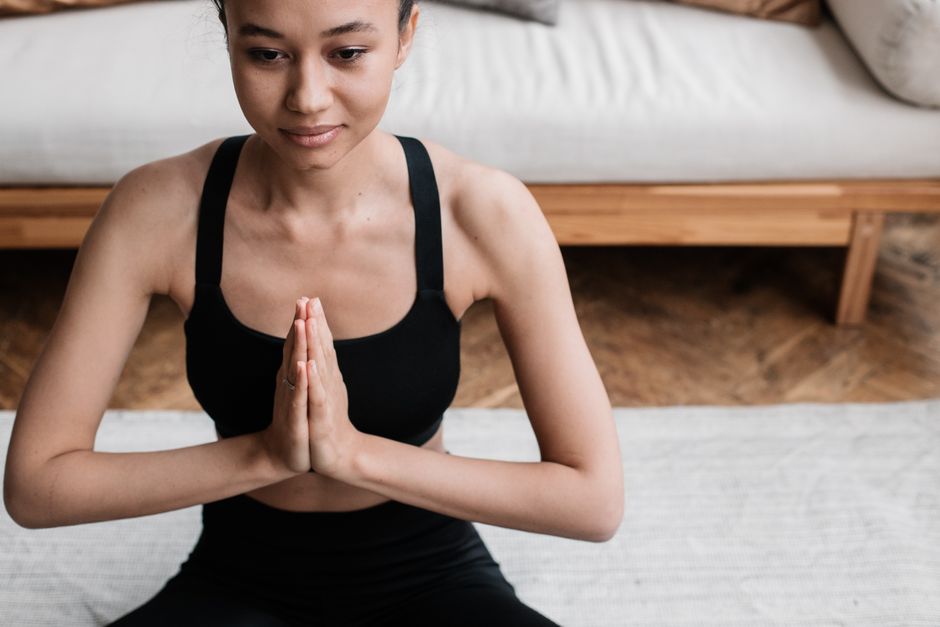
In today's fast-paced world, stress and anxiety have become common companions for many of us. Whether it's balancing work demands, family responsibilities, or dealing with financial pressures, the mental load can often feel overwhelming. For Nigerian readers, these challenges are no different, and the need for effective coping strategies is crucial. But what if there were simple, everyday techniques that could help you find peace amidst the chaos? Welcome to the world of mindfulness — a practice that encourages living in the moment and reducing stress and anxiety through focused awareness.
Mindfulness is not just a buzzword; it's a scientifically supported approach that offers transformative benefits for mental well-being. By incorporating mindfulness practices into your daily routine, you can cultivate a more balanced, calm, and fulfilling life. Let's dive into some practical mindfulness techniques tailored for managing stress and anxiety, particularly in the Nigerian context.
Understanding Mindfulness
What is Mindfulness?
Mindfulness is the practice of bringing your full attention to the present moment without judgment. It's about acknowledging your thoughts, emotions, and sensations as they arise and letting them pass without getting caught up in them.
This practice helps break the cycle of stress by shifting your focus from the overwhelming thoughts of 'what ifs' and 'should haves' to the simplicity and peace of the current moment.
The Science Behind Mindfulness
Research has shown that regular mindfulness practice can lead to significant reductions in stress and anxiety levels. It engages the brain's prefrontal cortex, which is responsible for executive functions like planning and decision-making, enhancing cognitive flexibility and resilience.
Moreover, mindfulness has been linked to reduced production of cortisol, the stress hormone, promoting a sense of calm and relaxation.
Practical Mindfulness Techniques
Mindful Breathing
One of the simplest yet most effective mindfulness techniques is mindful breathing. This involves focusing your attention on your breath, noticing the sensations of inhaling and exhaling.
"Mindful breathing is a powerful tool for calming the mind and centering yourself during stressful times."
- How to Practice: Sit comfortably, close your eyes, and take a deep breath in through your nose. Hold it for a moment, then slowly exhale through your mouth. Repeat this cycle for a few minutes, focusing solely on your breath.
- When to Practice: Anytime you feel overwhelmed, anxious, or need a moment of calm, use mindful breathing to reset your mental state.
Body Scan Meditation
The body scan meditation is a mindfulness technique that involves paying attention to different parts of your body, promoting relaxation and awareness.
- How to Practice: Lie down comfortably and close your eyes. Start by focusing on your toes, notice any sensations, tension, or relaxation. Gradually move up through your body, part by part, until you reach the top of your head.
- Benefits: This practice helps release tension, increases body awareness, and promotes a deep sense of relaxation.
Mindful Walking
Walking mindfully is a great way to incorporate mindfulness into your daily routine, turning a simple activity into a moment of peace and clarity.
- How to Practice: As you walk, pay attention to the sensation of your feet touching the ground, the rhythm of your steps, and the movement of your body. Notice your surroundings — the sounds, smells, and sights.
- Benefits: Offers an opportunity to connect with the present moment, reduces stress, and enhances your appreciation for life’s simple pleasures.
Incorporating Mindfulness into Daily Life
Mindful Eating
In our busy lives, meals can become rushed and mindless. Mindful eating encourages slowing down and savoring each bite, fostering a healthier relationship with food.
- How to Practice: Start by observing your food, noting the colors, textures, and aromas. Take small bites, chew slowly, and focus on the flavors and sensations of the food.
- Benefits: Helps in better digestion, reduces overeating, and increases enjoyment of meals.
Create a Mindfulness Routine
Consistency is key when it comes to practicing mindfulness. Creating a routine ensures that mindfulness becomes a regular part of your life.
- Start Small: Begin with just a few minutes each day, gradually increasing the time as you become more comfortable with the practice.
- Set Reminders: Use alarms or notes to remind yourself to pause and practice mindfulness at set times during the day.
- Find Community: Join local mindfulness groups or online communities where you can share experiences and inspire one another.
Overcoming Challenges in Mindfulness Practice
Staying Consistent
One of the biggest challenges is maintaining consistency. Life's demands can make it difficult to keep up with mindfulness practices.
"Remember, mindfulness is a journey, not a destination. It's okay to miss a day; just start again without judgment."
Dealing with Distractions
Distractions are a natural part of the mindfulness process. It's important to acknowledge them without frustration and gently bring your focus back to the practice.
- Create a Quiet Space: Designate a specific area for mindfulness practices, free from interruptions and noise.
- Use Guided Meditations: Apps and online resources can provide structure and focus, especially for beginners.
Maintaining Motivation
Motivation can wane over time, especially if the immediate benefits aren't obvious. It helps to remind yourself of the long-term benefits and the reasons you started practicing mindfulness.
- Track Your Progress: Keep a journal to note how you feel after each session. Over time, you'll see patterns and improvements.
- Celebrate Milestones: Reward yourself for maintaining your practice, whether it's a personal treat or a moment of acknowledgment.
Conclusion
Mindfulness offers a powerful toolkit for managing stress and anxiety, particularly in the dynamic context of Nigerian life. By incorporating these techniques into your daily routine, you can cultivate a more balanced, peaceful, and fulfilling life. Remember that mindfulness is a practice; it's about progress, not perfection.
Embrace these techniques with an open heart and mind, and watch as they transform your approach to stress and anxiety, one mindful moment at a time.