In today's fast-paced world, stress has become an inevitable part of life. The hustle and bustle of everyday activities, from commuting through Lagos traffic to juggling work commitments and family responsibilities, can leave us feeling overwhelmed. For many Nigerians, finding solace amidst the chaos is crucial for maintaining mental well-being. Luckily, mindfulness offers practical solutions to manage stress effectively.
Mindfulness, the practice of being present in the moment, can significantly reduce stress levels and improve overall mental health. Whether you're new to mindfulness or looking to deepen your practice, this guide provides actionable tips and insights tailored for Nigerian readers.
Understanding Mindfulness
Mindfulness is more than just a buzzword; it's a way of life. At its core, mindfulness involves paying attention to the present moment without judgment. This simple yet profound practice can help you find peace and clarity amid life's challenges.
The Benefits of Mindfulness
- Reduced Stress: Mindfulness helps you detach from stressful thoughts and emotions, leading to a calmer state of mind.
- Improved Focus: By training your attention, mindfulness enhances concentration and productivity.
- Better Emotional Regulation: Mindfulness fosters a greater understanding of emotions, enabling you to respond rather than react.
- Enhanced Well-being: Regular mindfulness practice promotes a sense of contentment and gratitude.
Scientific Support
Research shows that mindfulness can significantly reduce stress and anxiety levels. Studies conducted globally, including in Africa, highlight its positive impact on mental health, making it an accessible tool for Nigerians seeking to enhance their well-being.
"Mindfulness isn't difficult; we just need to remember to do it." — Sharon Salzberg
Practical Mindfulness Techniques
Incorporating mindfulness into your daily routine doesn't require much time or effort. Here are practical ways to get started:
Mindful Breathing
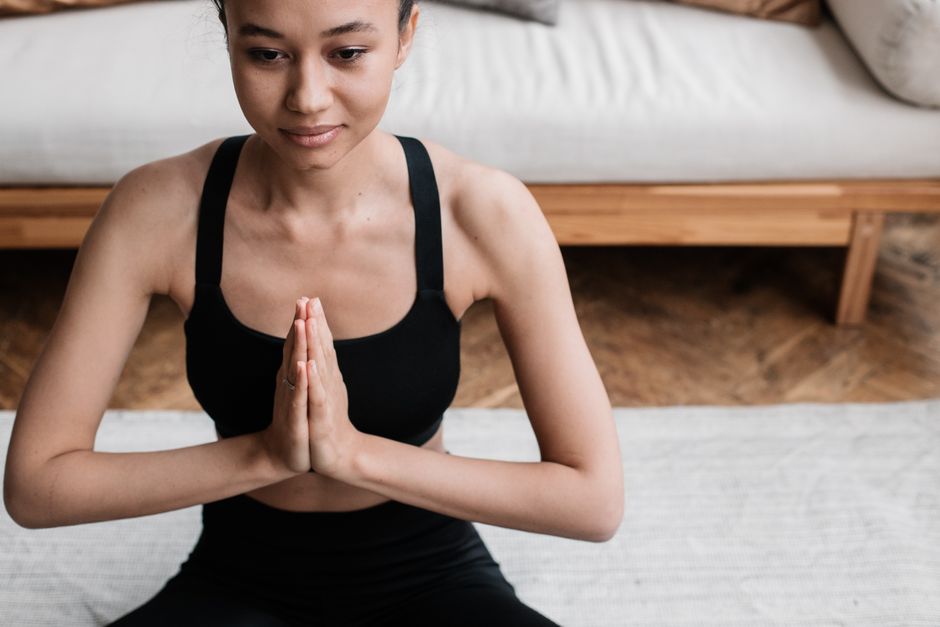
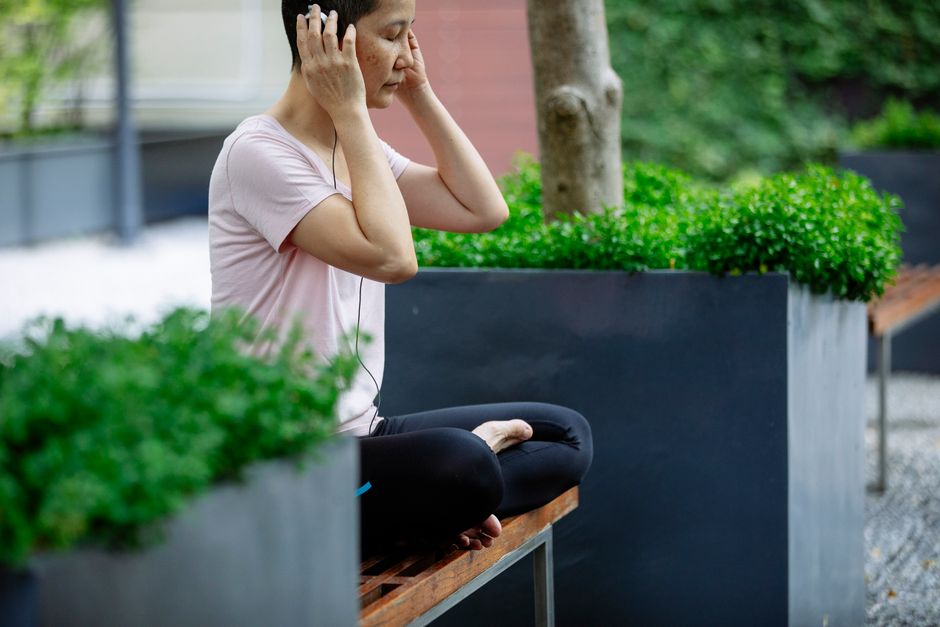
Mindful breathing is a foundational practice that you can do anywhere and anytime. Here's how:
- Find a comfortable seated position, close your eyes if you like.
- Take a deep breath in through your nose, allowing your chest and belly to expand.
- Exhale slowly through your mouth, letting go of tension.
- Focus on the sensation of your breath entering and leaving your body.
Start with a few minutes each day and gradually increase the duration as you become more comfortable.
Body Scan Meditation
This technique helps you become aware of your physical sensations, promoting relaxation and easing stress.
- Lie down in a comfortable position and close your eyes.
- Focus your attention on different parts of your body, starting from your toes and moving up to your head.
- Acknowledge any tension or discomfort, then consciously relax those areas.
- Complete the scan at your own pace, noticing how your body feels.
Mindful Walking
Transform your daily walks into mindfulness sessions with these steps:
- Walk at a slow, deliberate pace, paying attention to each step.
- Notice the sensation of your feet touching the ground and the rhythm of your breath.
- Engage your senses by observing the sights, sounds, and smells around you.
This practice can be particularly refreshing if you walk in a natural setting like a park or garden.
Gratitude Journaling
Gratitude journaling shifts your focus from stressors to positive aspects of your life.
- Set aside a few minutes each day to write about things you're grateful for.
- Be specific and recount small details that brought joy or peace.
- Reflect on these entries during challenging times to foster a positive mindset.
Overcoming Challenges in Mindfulness Practice
While mindfulness is beneficial, it can be challenging to maintain consistency. Here are common obstacles and how to overcome them:
Lack of Time
Incorporate mindfulness into your routine by starting with short, manageable practices. A few minutes of mindful breathing or walking can make a difference.
Restlessness
It's normal to feel restless or distracted when starting. Gently bring your focus back to the practice without self-judgment.
Expectations
Let go of the need for immediate results. Mindfulness is a gradual process that unfolds over time, offering subtle yet profound changes.
Integrating Mindfulness into Nigerian Culture
Mindfulness can be seamlessly integrated into Nigerian culture, complementing traditional practices that promote mental well-being.
Community Gatherings
Engage in mindfulness during community events like weddings or festivals by being fully present and savoring the experience.
Traditional Practices
Incorporate mindfulness into traditional Nigerian practices, such as making and sharing meals, by fully engaging in the sensory experience.
Religious Practices
Many Nigerians find solace in religious practices. Mindfulness can enhance these practices by fostering a deeper sense of connection and spirituality.
Conclusion
Mindfulness offers accessible, practical tools to manage stress and enhance well-being. By embracing these techniques, Nigerian readers can navigate life's challenges with greater ease and resilience. As you incorporate mindfulness into your daily routine, remember that it's a personal journey—progressing at your own pace is the key.
"Mindfulness is a way of befriending ourselves and our experience." — Jon Kabat-Zinn