In today's fast-paced world, anxiety has become a common challenge for many people, including those in Nigeria. From pressures at work to personal responsibilities, anxiety can creep into our lives, making it difficult to find peace and joy. However, by incorporating mindfulness techniques into your daily routine, you can manage anxiety effectively and enhance your mental well-being.
This article will walk you through practical mindfulness exercises that are easy to practice and can significantly reduce anxiety. Whether you're new to mindfulness or looking to deepen your practice, these techniques are designed to fit seamlessly into your life.
Understanding Anxiety and Its Impact
Anxiety is more than just feeling stressed or worried. It can manifest as physical symptoms such as increased heart rate, sweating, or even panic attacks. In Nigeria, where societal expectations and economic challenges prevail, anxiety often goes unnoticed or untreated.
Common Triggers of Anxiety
- Work-related stress
- Financial instability
- Family responsibilities
- Health concerns
Anxiety is not a sign of weakness. It's a call to pay attention to your mental health.
The Power of Mindfulness
Mindfulness is the practice of being present in the moment, aware of your thoughts and feelings without judgment. It's a powerful tool that can help you manage anxiety by bringing your focus to the 'here and now' rather than worrying about the future.
Science Behind Mindfulness
Studies have shown that mindfulness can reduce anxiety by altering the brain areas involved in perception and stress response. Regular practice can lead to increased gray matter density in the brain, which is associated with improved cognitive and emotional regulation.
Practical Mindfulness Techniques
1. Mindful Breathing
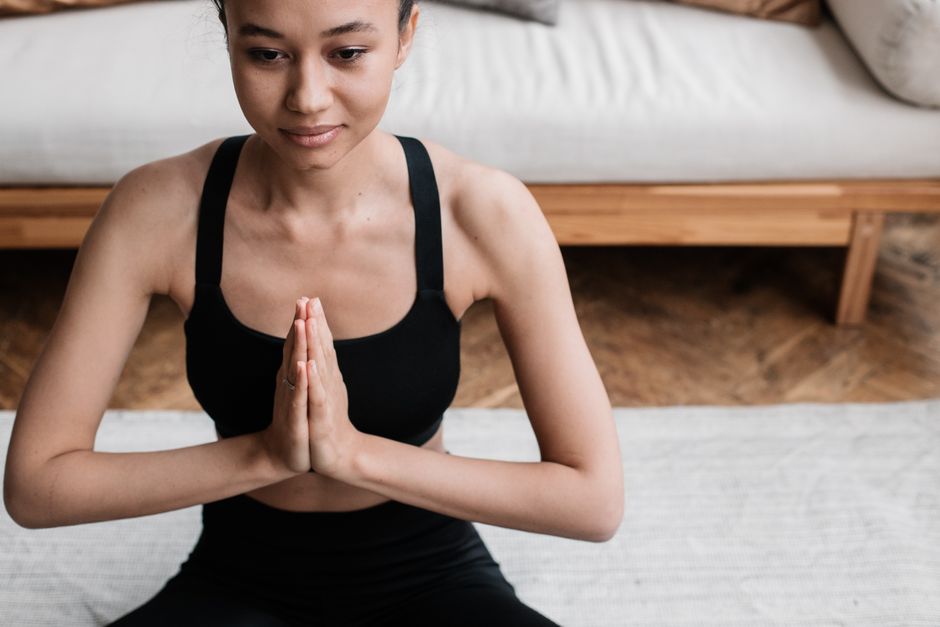
Mindful breathing is a simple yet effective way to ground yourself. Sit comfortably, close your eyes, and take deep breaths. Focus on your breath entering and leaving your body. Do this for 5-10 minutes daily.
2. Body Scan Meditation
Lie down in a comfortable position and close your eyes. Slowly scan your body from head to toe, noticing any tension or discomfort. Acknowledge these sensations without trying to change them.
3. Guided Imagery
Picture a serene place in your mind, such as a beach or forest. Immerse yourself in the details of this scene. This technique can help distract you from anxious thoughts.
Incorporating Mindfulness into Daily Life
Practice Gratitude
Start each day by listing things you're grateful for. This shifts your focus from anxiety-inducing thoughts to positive ones.
Mindful Eating
Pay attention to the taste, texture, and aroma of your food. This can transform mealtimes into a mindful practice and reduce stress-related eating.
Digital Detox
Limit your screen time, especially social media, which can be a source of anxiety. Allocate specific times for digital activity and stick to them.
Mindfulness and Cultural Context
Incorporating mindfulness into Nigerian culture involves adapting practices to fit our unique lifestyle. Consider communal gatherings as opportunities for mindful engagement or use local music for guided meditation. These adaptations make mindfulness more relatable and accessible.
Conclusion
Mindfulness offers a pathway to managing anxiety in a natural and effective way. By incorporating these techniques into your daily routine, you can cultivate a more peaceful and balanced life. Remember, the journey to mental well-being is personal, and mindfulness is a valuable companion on this path.