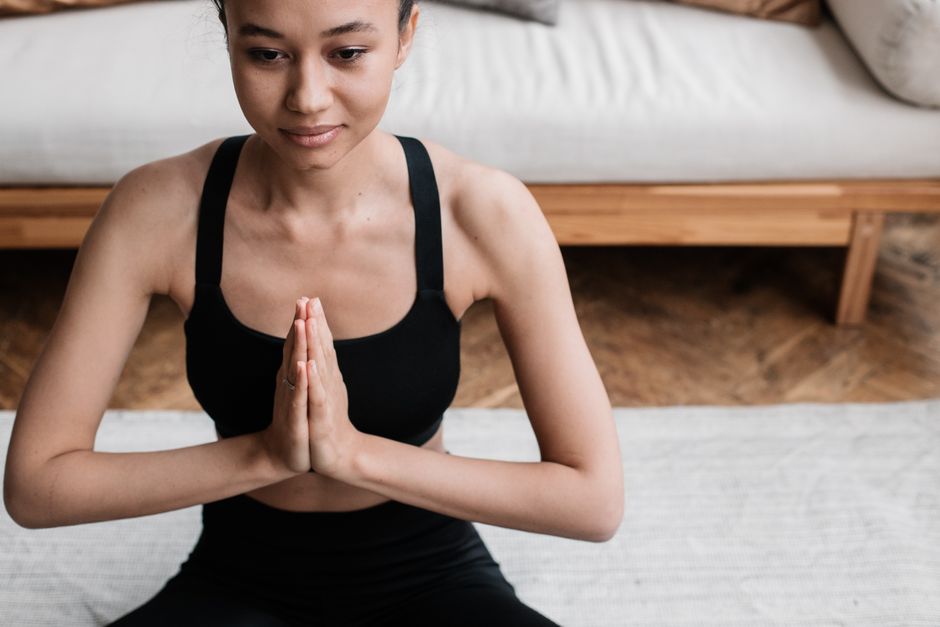
In a bustling city like Lagos, where the clamor of daily life can often feel overwhelming, finding a sense of calm can seem like a distant dream. Traffic jams, hectic work schedules, and the constant hum of noise can easily trigger stress and anxiety. But what if there was a way to find peace amidst the chaos? Enter mindfulness, a powerful tool that can help you navigate life's storms with grace and serenity.
Mindfulness is more than just a buzzword; it's a practice rooted in ancient traditions and supported by modern science. It's about being present in the moment, acknowledging your thoughts without judgment, and finding a sense of calm in the current moment. Whether you're commuting on a crowded bus or taking a brief respite at a local café, mindfulness can be your anchor.
In this article, we'll explore practical mindfulness techniques that can help you manage stress and anxiety, specifically tailored for our Nigerian audience. By the end, you'll have the tools to cultivate a more peaceful and balanced life.
Understanding Mindfulness and Its Benefits
What is Mindfulness?
Mindfulness is the practice of paying attention to the present moment with an open and non-judgmental attitude. It involves being aware of your thoughts, feelings, bodily sensations, and the environment around you.
Rather than being caught up in thoughts about the past or future, mindfulness encourages a focus on the here and now.
Benefits of Mindfulness
- Reduces Stress: Mindfulness helps to calm the mind and reduce the physiological symptoms of stress.
- Enhances Emotional Regulation: It enables better control over emotional responses, leading to improved mental health.
- Improves Focus: Regular practice enhances concentration and cognitive performance.
- Boosts Resilience: By fostering a non-reactive awareness, mindfulness builds resilience to life's challenges.
"Mindfulness is a way of befriending ourselves and our experience." — Jon Kabat-Zinn
Simple Mindfulness Techniques for Everyday Life
Mindful Breathing
One of the most accessible mindfulness practices is mindful breathing. It's about focusing on your breath as you inhale and exhale.
This can be done anywhere, anytime—whether you're stuck in traffic or waiting for a meeting to start.
- Find a Quiet Space: Sit or lie down in a comfortable position.
- Focus on Your Breath: Pay attention to the sensation of your breath entering and leaving your body.
- Notice Distractions: Acknowledge any thoughts that arise without judgment, then gently return your focus to your breath.
Body Scan Meditation
The body scan is a mindfulness practice that involves paying attention to different parts of your body. This helps you become aware of any tension or discomfort.
It's a great way to wind down after a long day.
- Lie Down Comfortably: Close your eyes and relax.
- Focus on Each Body Part: Start at your toes and slowly move up to your head, paying attention to sensations in each area.
- Release Tension: As you focus on each part, consciously relax and release any tension you notice.
Incorporating Mindfulness into Daily Activities
Mindful Eating
Mindful eating involves paying full attention to the experience of eating and drinking, both inside and outside the body.
It's about appreciating your food and noticing its flavors, textures, and aromas.
- Eat Slowly: Take your time to chew and savor each bite.
- Notice the Flavors: Pay attention to the taste and texture of your food.
- Express Gratitude: Appreciate the effort that went into preparing your meal.
Mindful Walking
Mindful walking is a form of meditation where you focus on the experience of walking, being aware of each step and movement.
It's particularly effective for breaking up a stressful day or clearing your mind.
- Walk Slowly: Pay attention to the sensation of your feet touching the ground.
- Be Present: Notice the sights, sounds, and smells around you.
- Stay Grounded: Focus on your breath as you move, keeping your mind present.
Mindfulness in the Nigerian Context
Adapting Mindfulness to Nigerian Culture
Mindfulness can easily fit into the Nigerian lifestyle with a few cultural adaptations. For instance, incorporating traditional music or nature sounds can enhance your practice.
Using local languages during meditation can also make the process more personal and relatable.
Community Support and Resources
Several communities and online platforms offer mindfulness resources specifically for Nigerians. Joining a local mindfulness group or attending workshops can provide support and deepen your practice.
- Local Workshops: Attend mindfulness workshops or seminars in your area.
- Online Platforms: Join forums or social media groups focused on mindfulness practice.
- Mindfulness Apps: Use apps that offer guided meditations in local languages.
Conclusion
Stress and anxiety are inevitable parts of life, especially in fast-paced environments like Nigerian cities. However, by incorporating mindfulness into your daily routine, you can cultivate a sense of peace and resilience.
Whether it's through mindful breathing, eating, or walking, these practices can help you navigate life's challenges with a calm and centered mind. Remember, mindfulness is a journey, not a destination. Embrace it with patience and kindness to yourself.
Start small, stay consistent, and watch as mindfulness transforms your life, one moment at a time.