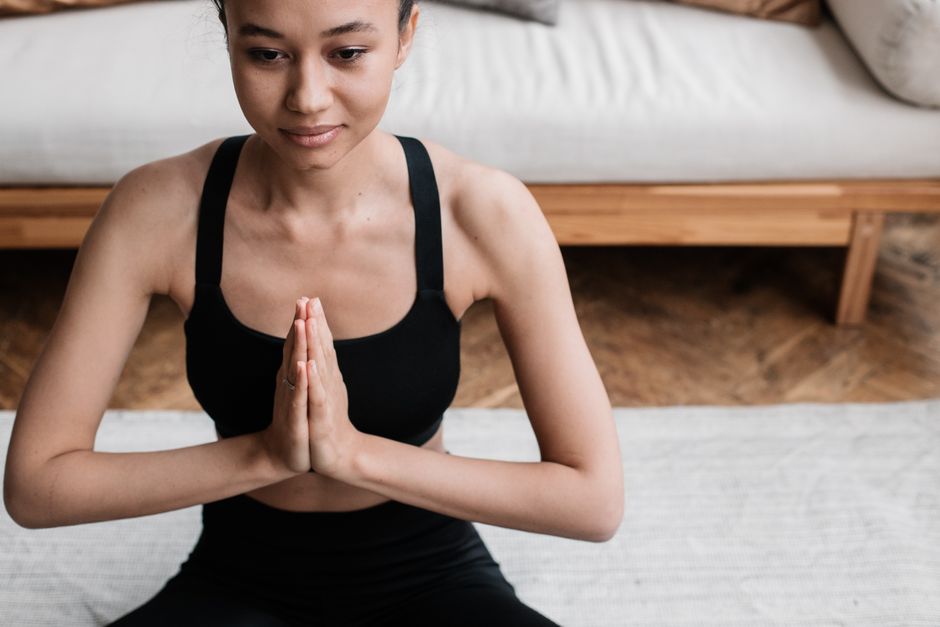
In today's fast-paced world, where stress seems to be an inevitable part of daily life, finding ways to maintain mental balance is crucial. Especially in Nigeria, where bustling city life and societal pressures can exacerbate stress, exploring practical solutions becomes essential. Enter mindfulness — a simple yet powerful tool that can help you navigate through life's challenges with a serene mind.
Mindfulness is not just a buzzword; it’s a practice that has been shown to significantly reduce stress, improve emotional well-being, and increase overall happiness. Whether you're commuting through Lagos traffic, dealing with work pressures, or managing family responsibilities, mindfulness offers techniques that can seamlessly fit into your life, providing relief and clarity.
Let’s dive into how Nigerians can incorporate mindfulness into their daily routine to reduce stress and enhance mental well-being.
Understanding Mindfulness
Before delving into the techniques, it’s important to understand what mindfulness truly means. Mindfulness is the practice of being fully present and engaged in the moment, aware of your thoughts and feelings without distraction or judgment.
Benefits of Mindfulness
- Stress Reduction: Studies have shown that mindfulness can lower cortisol levels, the body's primary stress hormone.
- Improved Focus: Mindfulness enhances your ability to concentrate, which can be particularly beneficial in a busy work environment.
- Emotional Regulation: It helps manage emotions better, reducing the likelihood of emotional outbursts.
- Enhanced Well-being: Regular practice can improve overall mental health and increase life satisfaction.
Common Myths About Mindfulness
There are several misconceptions surrounding mindfulness that may deter people from practicing it. Understanding these myths can help set realistic expectations.
- Myth 1: Mindfulness is about emptying your mind of thoughts.
- Myth 2: It requires a lot of time and can't fit into a busy schedule.
- Myth 3: Mindfulness is a religious practice.
Mindfulness is not about emptying the mind; it’s about paying attention to the present moment with curiosity and without judgment.
Getting Started with Mindfulness
For those new to mindfulness, getting started can be as simple as allocating a few minutes each day to practice. Here are some introductory techniques to incorporate into your routine:
Breathing Exercises
One of the simplest ways to practice mindfulness is through focused breathing. This technique can be done anywhere — on your morning commute, at your desk, or even while waiting in line.
- Sit comfortably with your back straight.
- Close your eyes and focus on your breath.
- Inhale deeply through your nose, hold for a few seconds, and exhale slowly through your mouth.
- Pay attention to the sensation of your breath entering and leaving your body.
Body Scan Meditation
This is a form of meditation that helps you become more aware of the different parts of your body, promoting relaxation and reducing tension.
- Lie down comfortably, close your eyes, and take a few deep breaths.
- Focus on each part of your body, starting from your toes and moving up to your head.
- Notice any tension, pain, or sensations without trying to change anything.
- Take deep breaths, imagining the breath reaching each part of your body.
Mindful Walking
Mindful walking is a great way to practice mindfulness while engaging in physical activity. It can be particularly refreshing in a natural setting.
- As you walk, focus on the movement of your legs and feet.
- Notice the contact of your feet with the ground and the rhythm of your steps.
- Be aware of your surroundings — the sounds, sights, and smells.
- Maintain a steady pace and take deep breaths as you move.
Overcoming Challenges in Mindfulness Practice
Like any new habit, practicing mindfulness consistently can come with its challenges. Here are some common obstacles and ways to overcome them:
Lack of Time
With a busy schedule, finding time for mindfulness can seem difficult. However, mindfulness doesn’t require hours — even a few minutes of focused practice can be beneficial.
Incorporate mindfulness into daily activities like eating, walking, or even during a shower.
Restlessness and Distraction
If you find your mind wandering during practice, know that this is normal. The key is to gently bring your focus back to your breath or the present moment.
Impatience
Mindfulness is a gradual process, and expecting immediate results can lead to frustration. Set realistic goals and celebrate small improvements in your practice.
Integrating Mindfulness into Nigerian Culture
Given Nigeria's rich cultural heritage, integrating mindfulness into daily life can be both meaningful and rewarding. Here are some culturally resonant ways to practice:
Storytelling and Mindfulness
Nigerian culture is rich in storytelling, which can be a mindful activity. Engage fully in the moment as you listen to or share stories, appreciating the emotions and lessons they convey.
Community Gatherings
Participating in community activities or gatherings can be an opportunity to practice mindfulness. Being present and appreciating the sense of community enhances well-being.
Traditional Music and Dance
Listening to traditional music or participating in dance can be a form of mindfulness. Focus on the rhythms, movements, and the joy they bring.
Final Thoughts
Mindfulness is a valuable tool in managing stress and enhancing mental well-being, particularly in a dynamic environment like Nigeria. By incorporating simple mindfulness techniques into your daily routine, you can cultivate a more balanced and fulfilling life. Remember, mindfulness is a journey, and each mindful moment is a step towards a healthier mind.