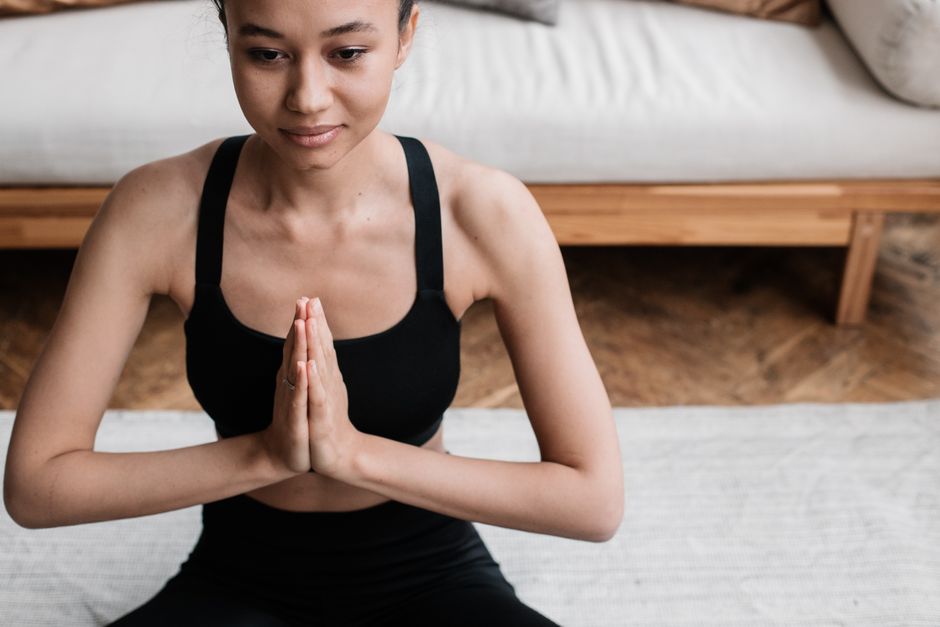
In our bustling Nigerian cities like Lagos and Abuja, the daily grind can often feel overwhelming. The traffic, the noise, and the constant on-the-go lifestyle can leave us feeling stressed and anxious. But what if there was a way to find peace amidst the chaos? Enter mindfulness—an ancient practice that has gained popularity worldwide for its incredible benefits on mental health. Whether you're a student, a busy professional, or a parent balancing multiple roles, integrating mindfulness exercises into your routine can help you manage stress and find tranquility in everyday life.
Mindfulness isn't just about meditation; it's about being fully present and engaged in the moment. It's a simple but powerful tool that can be practiced anywhere—whether you're stuck in traffic on the Third Mainland Bridge or waiting in line at a Lagos supermarket. Let's explore some practical mindfulness exercises that fit perfectly into the Nigerian lifestyle.
Understanding Mindfulness in Everyday Life
Mindfulness is more than just a buzzword; it's a practice rooted in ancient traditions that encourages us to be present and aware. In Nigeria, where cultural and family expectations often demand our attention, practicing mindfulness can help create a sense of balance and peace.
The Science Behind Mindfulness
Mindfulness has been extensively studied, revealing significant benefits for mental health. Research shows that regular mindfulness practice can reduce stress, anxiety, and depression, while improving focus, memory, and emotional regulation.
Mindfulness in Nigerian Culture
Nigerian culture, with its emphasis on community and connection, provides a natural foundation for mindfulness. Practices like shared meals and storytelling can be moments of mindfulness, fostering deeper connections and awareness.
Everyday Mindfulness Exercises
Incorporating mindfulness into your daily routine doesn't require hours of meditation or special equipment. Here are some simple exercises you can try:
Mindful Breathing
Find a quiet space, close your eyes, and focus on your breath. Inhale deeply through your nose, hold for a moment, and exhale slowly through your mouth. Repeat this for a few minutes, allowing yourself to relax and center your thoughts.
Body Scan Meditation
Lie down comfortably and bring awareness to different parts of your body, starting from your toes and moving up to your head. Notice any sensations, tension, or areas of relaxation.
Mindful Walking
Take a walk around your neighborhood, focusing on each step and the sensations it brings. Notice the sounds, sights, and smells around you, keeping your attention on the present moment.
- Start with short walks and gradually increase the time.
- Choose a path with minimal distractions.
- Take slow, deliberate steps.
Mindfulness at Work and School
Our work and school environments can be a significant source of stress. Mindfulness techniques can help us navigate these settings more effectively.
Mindful Breaks
Set aside a few minutes each hour to take a mindful break. Close your eyes, take deep breaths, and visualize a peaceful place. This can help refresh your mind and increase productivity.
Mindful Listening
During meetings or lectures, practice mindful listening. Focus on the speaker's words without planning your response simultaneously. This enhances understanding and reduces misunderstandings.
Integrating Mindfulness into Family Life
Bringing mindfulness into family life can improve relationships and create a peaceful home environment.
Mindful Meals
Turn off the TV and put away phones during meals. Focus on the taste, texture, and aroma of your food. Encourage family members to share their day's experiences, promoting mindful communication.
Mindfulness with Children
Teach children simple mindfulness exercises like belly breathing or guided visualization. Use bedtime stories to incorporate mindfulness themes, helping children relax and develop emotional awareness.
Overcoming Barriers to Mindfulness
While mindfulness offers numerous benefits, many people struggle to incorporate it into their lives. Here are some common barriers and how to overcome them:
Time Constraints
People often believe they don't have time for mindfulness. Start with short, manageable sessions and gradually increase the duration as you become more comfortable.
Mindfulness Misunderstandings
Some people assume mindfulness requires complete silence or a special setting. Remember, you can practice mindfulness anywhere, even amidst daily chaos.
Feeling Self-Conscious
Many feel self-conscious when practicing mindfulness in public. Begin in private settings and slowly transition to public spaces as your confidence grows.
"Mindfulness is not a destination. It's a journey of self-discovery and presence." - Thimeline Mental Health
Conclusion
Incorporating mindfulness into your daily routine can transform your life, helping you manage stress and anxiety while fostering a deeper connection with yourself and others. Whether you're navigating the bustling streets of Lagos or enjoying a quiet moment at home, mindfulness provides a pathway to inner peace and well-being. Start with small steps and watch as your perspective on life shifts, bringing more clarity and calm to your everyday experiences.