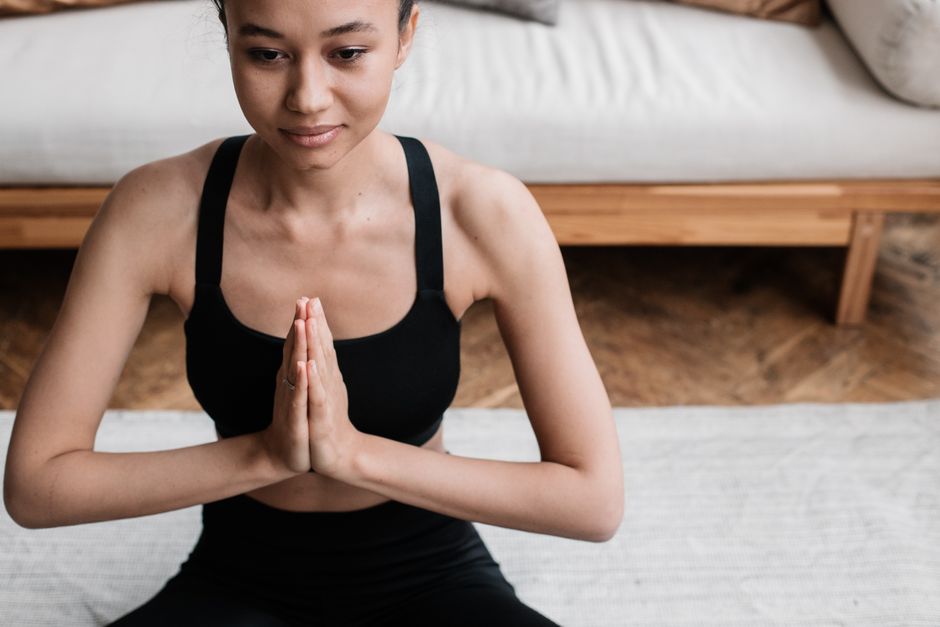
In today's fast-paced world, stress has become a constant companion for many Nigerians. Whether you're navigating the bustling streets of Lagos or managing familial responsibilities in Abuja, the pressures of daily life can often feel overwhelming. Enter mindfulness—a timeless practice that offers a refuge from the chaos, helping to anchor our thoughts and emotions in the present moment.
For those unfamiliar, mindfulness is the art of being fully present and engaged in the current moment, without judgment. It's about appreciating life as it unfolds, rather than getting lost in worries about the future or regrets from the past. But how can mindfulness truly help us manage stress and boost our mental health? Let's explore some practical techniques tailored specifically for our Nigerian context.
Understanding Mindfulness in Simple Terms
Mindfulness might sound like a modern buzzword, but it has roots in ancient practices. At its core, mindfulness is about cultivating awareness of your thoughts, feelings, and surroundings without resorting to criticism or self-judgment.
The Science Behind Mindfulness
Research shows that regular mindfulness practice can lead to a host of psychological benefits, including reduced stress, improved focus, and greater emotional resilience. But how does it work?
Mindfulness trains the brain to respond to stress rather than react to it, creating a space between stimulus and response.
When practiced routinely, mindfulness can rewire neural pathways, increasing the brain's capacity for calm and reducing its tendency toward anxiety.
Common Myths About Mindfulness
- Mindfulness is time-consuming: It's possible to incorporate mindfulness in just a few minutes each day.
- Mindfulness means clearing your mind: It's more about observing your thoughts without getting attached to them.
- It's only for yoga enthusiasts: Anyone can practice mindfulness, irrespective of age or background.
Simple Mindfulness Exercises to Try
Integrating mindfulness into your daily routine doesn't have to be complicated. Here are some exercises that you can practice anywhere, from your home in Port Harcourt to your office in Ibadan.
Mindful Breathing
Breathing is life, and focusing on your breath is one of the simplest ways to bring your attention to the present moment. Try the following:
- Find a comfortable position and close your eyes.
- Take a deep breath in through your nose, hold it for a moment, and then exhale slowly through your mouth.
- Focus on the sensation of your breath, noticing how it fills your lungs and exits your body.
Repeat this process for a few minutes, allowing your mind to settle into the rhythm of your breathing.
Body Scan Meditation
This technique helps you become more aware of physical sensations and release tension.
- Lie down or sit comfortably and close your eyes.
- Slowly scan your body from toes to head, paying attention to areas of tension and discomfort.
- As you observe each part of your body, breathe into the tension and imagine it melting away with each exhale.
This practice can be particularly beneficial after a long day of errands or commuting.
Integrating Mindfulness into Nigerian Daily Life
While mindfulness may seem like a foreign concept, it can be seamlessly woven into the Nigerian way of life. Here are some practical tips:
Mindful Eating
Nigerian meals, rich in flavors and textures, provide an excellent opportunity for mindful eating. Here's how:
- Savor each bite: Pay close attention to the taste, texture, and aroma of the food.
- Chew slowly: This not only aids digestion but also helps you appreciate the meal.
- Express gratitude: Acknowledge the effort involved in bringing the meal to your plate.
Mindful eating transforms routine meals into moments of appreciation and joy.
Mindfulness on the Go
Whether you're stuck in Lagos traffic or waiting for a meeting to start, these moments can become opportunities for mindfulness practice:
- Deep breaths at red lights: Use traffic stops as a cue to take deep breaths and release tension.
- Observe your surroundings: Pay attention to the colors, sounds, and people around you without judgment.
- Silent gratitude: Reflect on what you are grateful for in the present moment.
Mindfulness for Emotional Resilience
Life in Nigeria is full of unpredictability, from economic fluctuations to societal changes. Developing emotional resilience through mindfulness can help navigate these challenges more effectively.
Mindfulness and Emotional Awareness
Mindfulness helps you tune into your emotions without being overwhelmed by them. This heightened awareness allows for better regulation of emotional responses.
Embracing your emotions with curiosity rather than judgment can lead to greater self-understanding and growth.
By observing your emotional state mindfully, you can choose more constructive responses to life's ups and downs.
Community Support and Mindfulness
In Nigeria, community is a cornerstone of society. Leveraging this support network can enhance your mindfulness journey.
- Mindful group activities: Consider organizing community mindfulness sessions in local gatherings or religious settings.
- Shared mindfulness resources: Exchange books, podcasts, and videos on mindfulness with friends and family.
Engaging with others on this journey can deepen your practice and create a sense of shared purpose.
Conclusion
Mindfulness offers a powerful tool for managing stress and enhancing mental well-being, particularly in the dynamic Nigerian context. By integrating simple practices into your daily routine, you can cultivate a more centered, peaceful existence. Remember, mindfulness is a journey, not a destination. Start small, be kind to yourself, and watch as these practices transform not just your life, but potentially the lives of those around you.