Anxiety and stress are universal experiences, but the way we manage them can vary greatly depending on our environment, lifestyle, and cultural context. In Nigeria, where bustling cities meet tranquil villages, the sources of stress may range from heavy traffic and work pressures to family responsibilities and societal expectations. Fortunately, there are practical strategies that can help navigate these challenges effectively, promoting mental well-being and resilience.
In this article, we'll explore a comprehensive set of strategies to help you manage anxiety and stress in your daily life. Whether you're in Lagos hustling through the daily grind or in a serene village trying to find balance, these tips are tailored to resonate with your lifestyle and surroundings.
Understanding Anxiety and Stress
Before diving into strategies, it's crucial to understand what anxiety and stress are. They are your body's natural responses to challenges and demands; anxiety is more about fear of what's to come, while stress is a reaction to what's happening now.
What Triggers Anxiety and Stress?
- Work-related pressures such as meeting deadlines or job insecurity.
- Financial challenges, especially in a fluctuating economy.
- Social pressures from maintaining relationships or societal expectations.
- Health concerns and the well-being of family members.
The Impact on Mental Health
Chronic stress and anxiety can lead to significant health issues if not managed properly, including depression, insomnia, and high blood pressure.
"Understanding the root causes of your stress is the first step towards managing it effectively."
Effective Stress Management Techniques
Mindfulness and Meditation
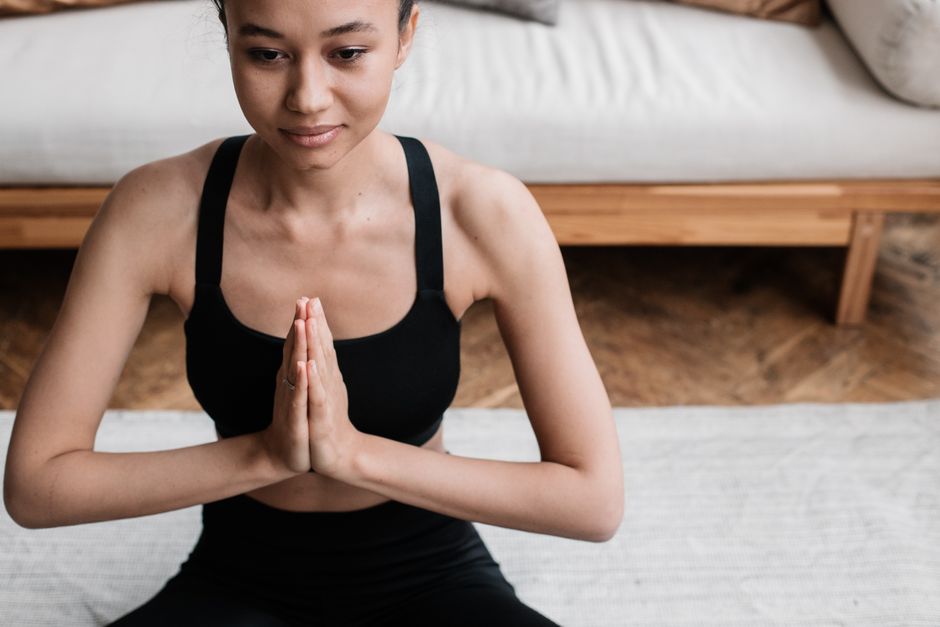
Mindfulness involves being fully present and engaged in the current moment without judgment. This practice can be particularly beneficial in reducing stress.
- Start with short mindfulness exercises each day, such as deep breathing or a five-minute meditation.
- Use guided meditation apps like Calm or Headspace, which offer programs tailored to beginners.
Physical Activity
Exercise is a proven stress reliever. It enhances your mood and serves as a distraction from daily worries.
- Incorporate regular physical activity, such as jogging or dancing, into your routine.
- Engage in local sports or community fitness classes for social interaction and motivation.
Healthy Eating Habits
What you eat can significantly impact your mood and stress levels.
- Maintain a balanced diet rich in fruits, vegetables, and lean proteins.
- Avoid excessive caffeine and sugar, which can increase anxiety symptoms.
Building a Support Network
Having a strong support network can provide a buffer against stress.
Connect with Family and Friends
Regularly communicate with loved ones who can offer guidance and support.
Seek Professional Help
If stress becomes overwhelming, don't hesitate to reach out to mental health professionals or counselors.
"Remember, seeking help is a sign of strength, not weakness."
Implementing Relaxation Techniques
Deep Breathing Exercises
Deep breathing can help reduce tension and promote relaxation.
- Practice the 4-7-8 breathing technique to calm your nervous system.
Progressive Muscle Relaxation
This technique involves tensing and then slowly releasing each muscle group.
Start from your toes and work your way up, focusing on the sensation of relaxation.
Creating a Stress-Free Environment
Organize Your Space
A cluttered environment can contribute to a cluttered mind.
- Take time each week to organize and declutter your living and workspaces.
Establish Boundaries
Learn to say no to avoid overcommitting and becoming overwhelmed.
"Setting boundaries is essential for maintaining mental health and preventing burnout."
Conclusion
Anxiety and stress are inevitable in life, but they don't have to control your well-being. By employing these practical strategies and making small, consistent changes to your daily routine, you can significantly reduce stress levels and improve your mental health.
Remember, the journey to managing stress is personal and unique to each individual. What works for one person might not work for another. Be patient and kind to yourself as you find the strategies that best suit your lifestyle and needs.