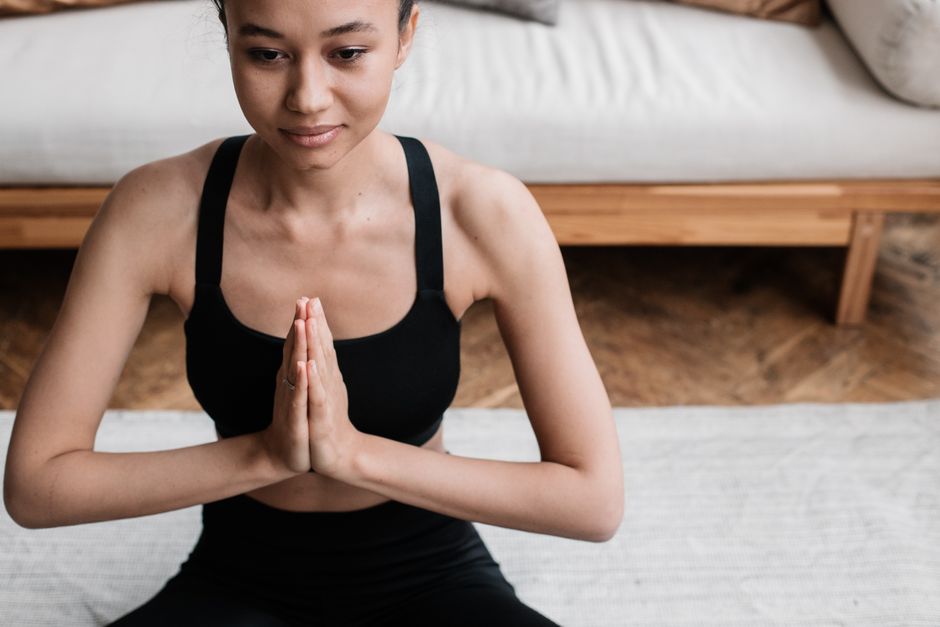
In our fast-paced world, dealing with anxiety and stress has become a common part of life. In Nigeria, where daily hustle and bustle mix with societal expectations, finding solace can sometimes feel impossible. But what if there was a way to face these challenges and emerge stronger and more grounded? Enter mindfulness, a practice that can transform how we handle stress and anxiety, offering a pathway to peace and balance.
Mindfulness isn't just a trendy word thrown around in wellness circles. It's a practical tool that can help us live more presently, reducing the impact of anxiety and stress. This article delves into how you can harness mindfulness to nurture a healthier mental state, especially in the Nigerian context where stressors abound.
Whether you're a student grappling with exams, a young professional navigating Lagos traffic, or a parent balancing work and family, mindfulness offers techniques that can fit seamlessly into your lifestyle. Let's explore these practices and how they can make a real difference in your life.
Understanding Anxiety and Stress
The Nigerian Context
Anxiety and stress are universal experiences, but the Nigerian context presents unique challenges. From economic uncertainties to the pressures of societal expectations, stressors are plentiful.
In urban areas like Lagos and Abuja, the fast pace of life, coupled with traffic congestion and air pollution, can contribute significantly to elevated stress levels. For many, the pressure to succeed is compounded by cultural expectations, leading to heightened anxiety.
"In Nigeria, where stressors are everywhere, mindfulness can be a lifeline to mental clarity and calmness."
Recognizing the Signs
Before addressing anxiety and stress, it's crucial to recognize their symptoms. Anxiety often manifests as excessive worrying, restlessness, and difficulty concentrating. Stress can show up as physical symptoms, such as headaches, fatigue, or difficulty sleeping.
- Frequent headaches or unexplained aches
- Insomnia or changes in sleep patterns
- Difficulty concentrating or forgetfulness
- Feelings of being overwhelmed
Understanding these signs is the first step toward managing them effectively.
Introduction to Mindfulness
What is Mindfulness?
Mindfulness is the practice of paying attention to the present moment without judgment. It involves being fully aware of your thoughts, emotions, and physical sensations as they occur.
This practice encourages a shift from living on autopilot to a more intentional existence. By focusing on the present, mindfulness helps reduce rumination and worry about the past or future.
The Science Behind Mindfulness
Research has shown that mindfulness can significantly reduce symptoms of anxiety and stress. Studies indicate that regular mindfulness practice can lower levels of cortisol, the stress hormone, which can lead to numerous health benefits.
Moreover, mindfulness has been linked to increased resilience and emotional regulation, essential factors in managing anxiety effectively.
Practicing Mindfulness Daily
Mindful Breathing
One of the simplest yet most effective mindfulness practices is mindful breathing. This involves focusing on your breath, observing the natural inhalation and exhalation without trying to change them.
By concentrating on your breath, you can anchor yourself in the present moment, reducing anxiety and promoting a sense of calm.
- Find a quiet place where you won't be disturbed.
- Sit comfortably and close your eyes.
- Take a deep breath in and exhale slowly.
- Focus your attention on the sensation of your breath.
Mindful Walking
In Nigeria, where the environment is vibrant and dynamic, mindful walking can be a powerful practice. This involves walking slowly and deliberately, paying attention to the movement of your body and the sensations of your surroundings.
This practice not only reduces stress but also enhances your connection to the world around you, promoting a sense of grounding and stability.
Cultivating a Mindful Lifestyle
Mindfulness in Daily Activities
Mindfulness doesn't have to be limited to formal practices. It can be integrated into daily activities such as eating, cleaning, or even commuting.
By bringing mindful awareness to these activities, you can transform mundane tasks into opportunities for relaxation and reflection.
"Every moment can be a mindful moment. It's all about how you choose to engage with the present."
Building a Supportive Environment
Creating an environment that supports mindfulness can enhance its effectiveness. This includes reducing distractions, setting up a calm space for practice, and engaging with like-minded individuals.
Consider joining mindfulness groups or workshops in your local area or online communities to share experiences and learn from others.
Overcoming Challenges
Dealing with Setbacks
Like any new skill, mindfulness requires patience and consistency. It's normal to face challenges and setbacks. The key is to approach these difficulties with self-compassion and persistence.
If you find your mind wandering during practice, gently bring your focus back. Remember, mindfulness is a journey, not a destination.
Staying Motivated
Maintaining motivation can sometimes be challenging, especially in the beginning. Setting small, achievable goals can help sustain your practice.
Celebrate small victories, and remind yourself of the benefits that mindfulness brings to your mental health and overall well-being.
Conclusion
Mindfulness offers a promising path to manage anxiety and stress, especially within the Nigerian context. By incorporating these practices into your daily life, you can enhance your mental clarity, emotional resilience, and overall quality of life.
Remember, the journey of mindfulness is deeply personal, and there's no right or wrong way to practice. The most important thing is to start, be present, and allow yourself the space to grow and heal.