In today’s fast-paced world, anxiety seems to be an ever-present shadow that follows us around, whispering doubts and fears in our ears. For many Nigerians, the daily hustle of life in bustling cities like Lagos or the serene pace of rural villages can add layers of stress and anxiety. But just because anxiety is common doesn't mean it has to rule your life. Understanding anxiety and learning practical ways to manage it can lead to a more peaceful and fulfilling existence.
In this article, we'll explore some practical, effective strategies to help you manage anxiety, with examples and tips that resonate with the Nigerian experience. We'll look into mindfulness practices, lifestyle changes, and therapeutic approaches that can make a significant difference.
Understanding Anxiety: What You Need to Know
Anxiety is more than just feeling stressed or worried. It's a constant feeling of unease, like a persistent itch in the back of your mind that you can't quite scratch. For many, it can manifest in physical symptoms like headaches or stomachaches, a racing heart, or difficulty breathing.
But why does it happen? Often, anxiety is our body's natural response to stress. It's like your body's internal alarm system, warning you of potential threats. However, when this alarm system is constantly triggered, it can lead to chronic anxiety.
Types of Anxiety Disorders
- Generalized Anxiety Disorder (GAD): Characterized by excessive worry about everyday events.
- Social Anxiety Disorder: Intense fear of social situations or being judged by others.
- Panic Disorder: Recurrent panic attacks, which are sudden episodes of intense fear.
Recognizing these symptoms and types can help in seeking the right treatment and support.
Practical Tips for Managing Anxiety
Embrace Mindfulness
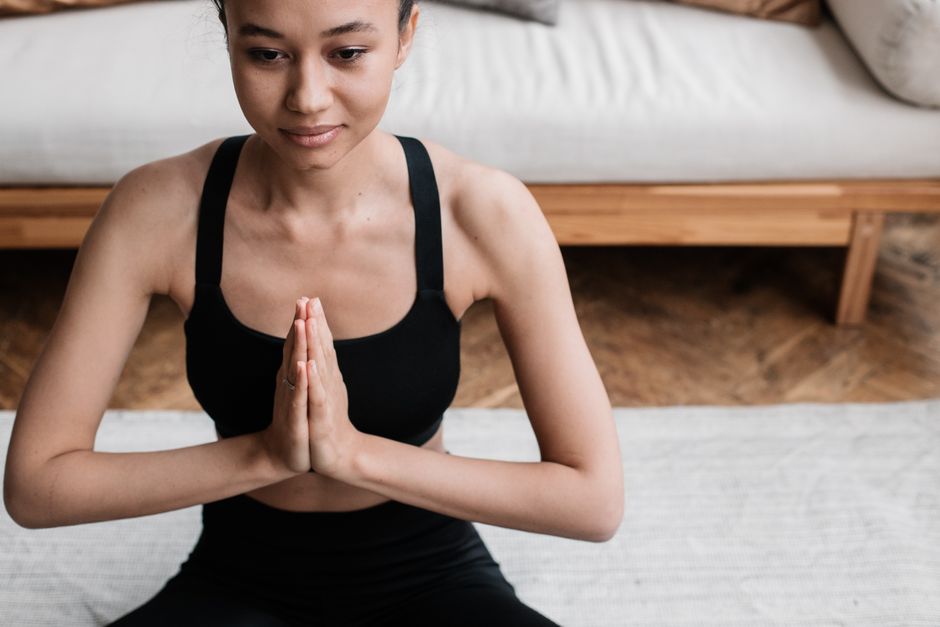
Mindfulness involves staying present in the moment, which can help reduce anxiety by preventing your mind from wandering into a cycle of worry. Try starting your day with a few minutes of meditation or deep-breathing exercises.
Mindfulness is the art of bringing your attention to the present moment without judgment.
Incorporate Physical Activity
Physical activity is not just good for your body; it's great for your mind too. From the energetic dance moves of Afrobeat to a simple walk around your neighborhood, exercise can release endorphins that naturally reduce stress.
- Exercise regularly: Aim for at least 30 minutes of physical activity most days of the week.
- Try yoga or Tai Chi: These practices combine movement with mindfulness and can be particularly effective.
Maintain a Balanced Diet
What you eat can have a profound impact on your mental health. A diet rich in fruits, vegetables, lean proteins, and whole grains can help regulate your mood and energy levels.
Seeking Professional Help
Sometimes, managing anxiety on your own isn't enough, and that's okay. Seeking professional help from a therapist or counselor can provide you with tools and strategies tailored to your needs.
Finding the Right Therapist
Look for licensed professionals who specialize in anxiety disorders. Consider asking for recommendations from friends or family, or searching online directories.
Therapy is a valuable resource that can help you understand your anxiety and develop coping strategies.
Exploring Therapeutic Options
Therapies such as Cognitive Behavioral Therapy (CBT) can be particularly effective in treating anxiety by helping you change negative thought patterns.
Building a Support System
Having a supportive network of friends and family can make a world of difference when dealing with anxiety. Don't hesitate to reach out to trusted loved ones when you need support.
Join Support Groups
Support groups can provide a sense of community and understanding, offering a space where you can share experiences and advice with others facing similar challenges.
Conclusion
Managing anxiety is a journey that requires patience and persistence. By understanding your anxiety and implementing these practical strategies, you can cultivate a healthier, more balanced life. Remember, you're not alone on this journey—seek help when needed and lean on your community for support.